

Individuals: 7 Most Important Things to Know About Yourself To Find A Long-term, Fulfilling Place To Work
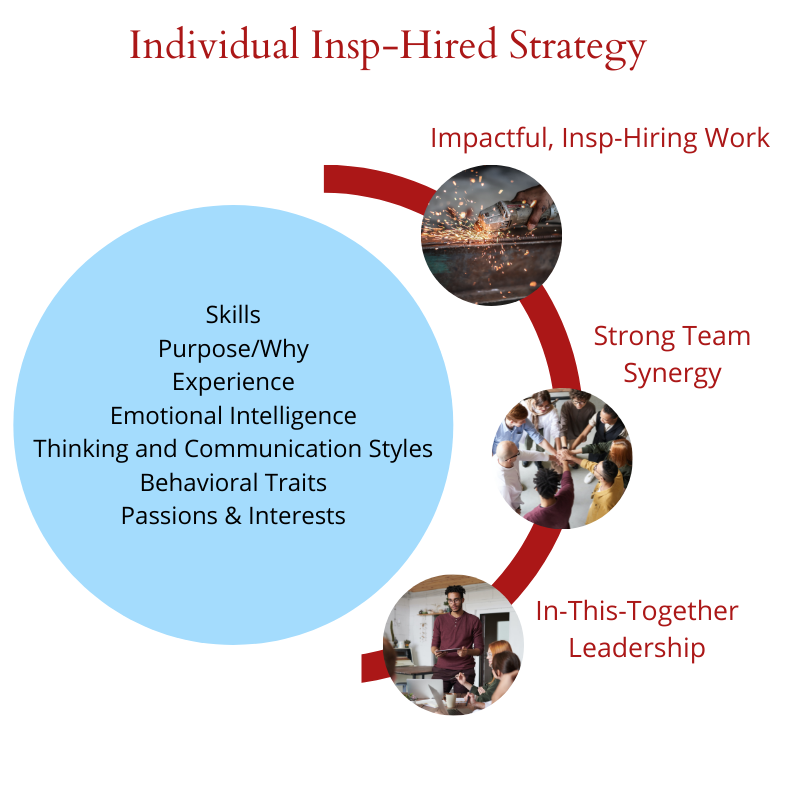
We need work that pays the bills. However, once our pay has met our basic needs, we all want/need three things at work:
- Impactful, Insp-Hiring Work
- Strong Team Synergy (People we like at work)
- In-This-Together Leadership (Leadership that supports us)
There are 7 things that we must understand, and be able to define for ourselves in order to find those three things. If we don’t understand these things about ourselves, we can’t go looking for these things in a workplace or leadership, and more importantly you can’t put together a resume and application that tells them why they should hire you:
- WHAT SKILLS DO WE BRING TO THE TABLE
- WHAT IS OUR PURPOSE OR WHY
- WHAT EXPERIENCES DO WE HAVE THAT HAVE SHAPED US AND GIVEN US SKILLS
- ARE WE EMOTIONALLY INTELLIGENT OR DO WE NEED TO LEARN EMOTIONAL INTELLIGENCE
- WHAT IS OUR THINKING & COMMUNICATION STYLE
- WHAT ARE OUR CORE BEHAVIORAL TRAITS (HOW ARE WE WIRED TO BEHAVE)
- WHAT ARE OUR PASSIONS & INTERESTS
“The intuitive mind is a sacred gift, and the rational mind is a faithful servant. We have created a society that honors the servant and has forgotten the gift.” –Albert Einstein
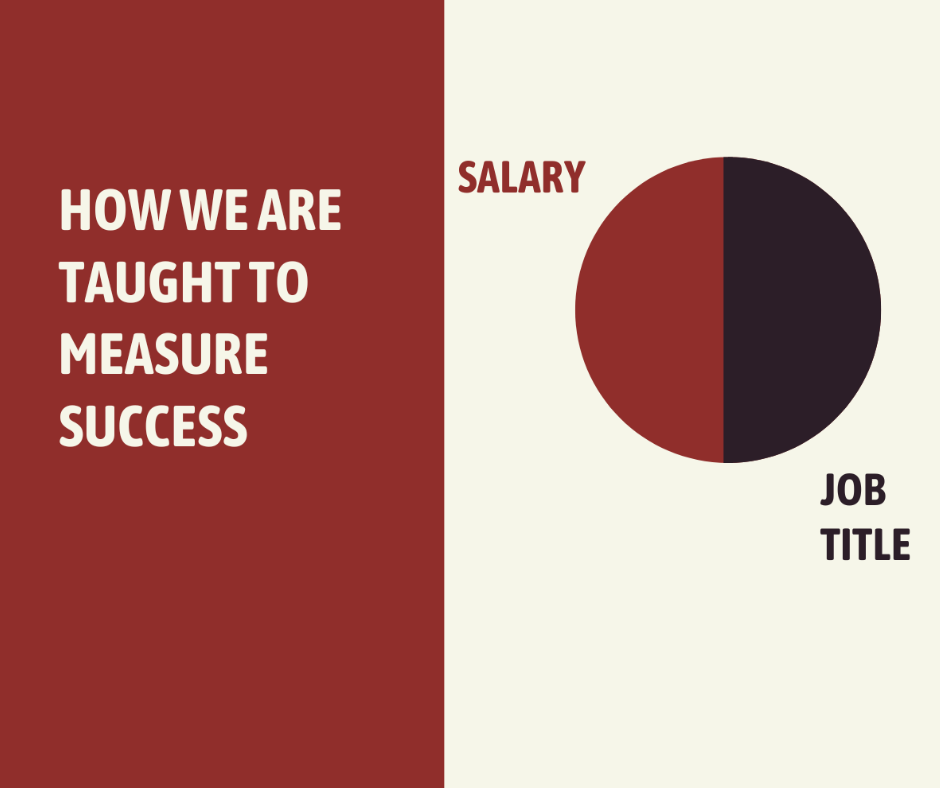
Mental health is a growing crisis and employee engagement rates have never been above 33%. Why?
We are told to strive for power and money—to always be chasing the next best thing. We check these preconceived boxes instead of checking in with ourselves about what’s truly important.
This means we live in a transactional world. You give me this and I’ll give you that, day in and day out. But one look around and it becomes clear that the days are slipping us by. So, we either stay stagnant or haphazardly change course.
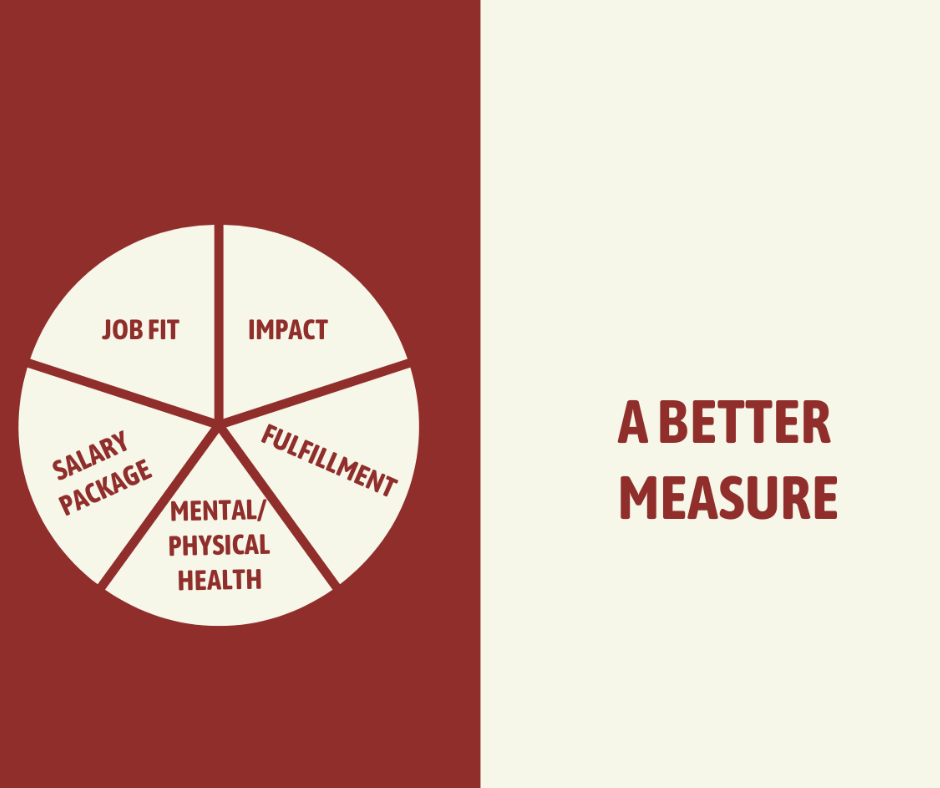
What if we were steadfast and could travel confidently down the correct career path instead? What if we were driven toward holistic success and fulfillment instead of narrow-sighted power and money?
What if we could build a transformational world instead?
PASSIONS & INTERESTS
We all have things we love to do that we’re not inherently good at. And we all have those things that may not bring us joy but that we could probably do in our sleep. The former encompasses passions and interests, the other is simply an ability or talent. Ideally, you’re looking for a role where both can coexist. However, interests are what motivates you; these are the things that make work feel exciting and expansive, and which give us grit to persevere. Finding the correct role or career path really starts here.
The Pathway Planner Assessment measures six different occupational interests to help individuals discover what truly motivates them in the workplace.
SKILLS
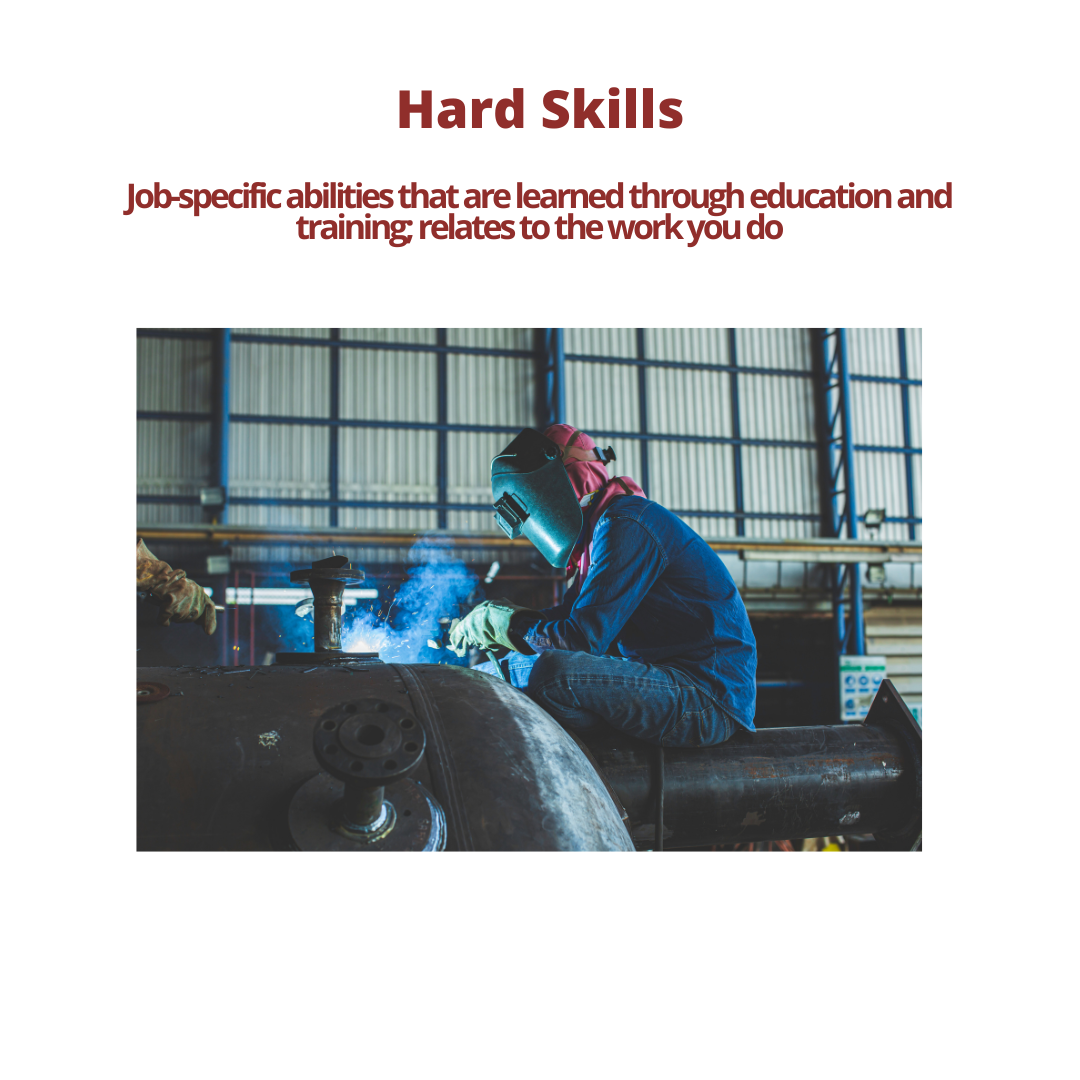
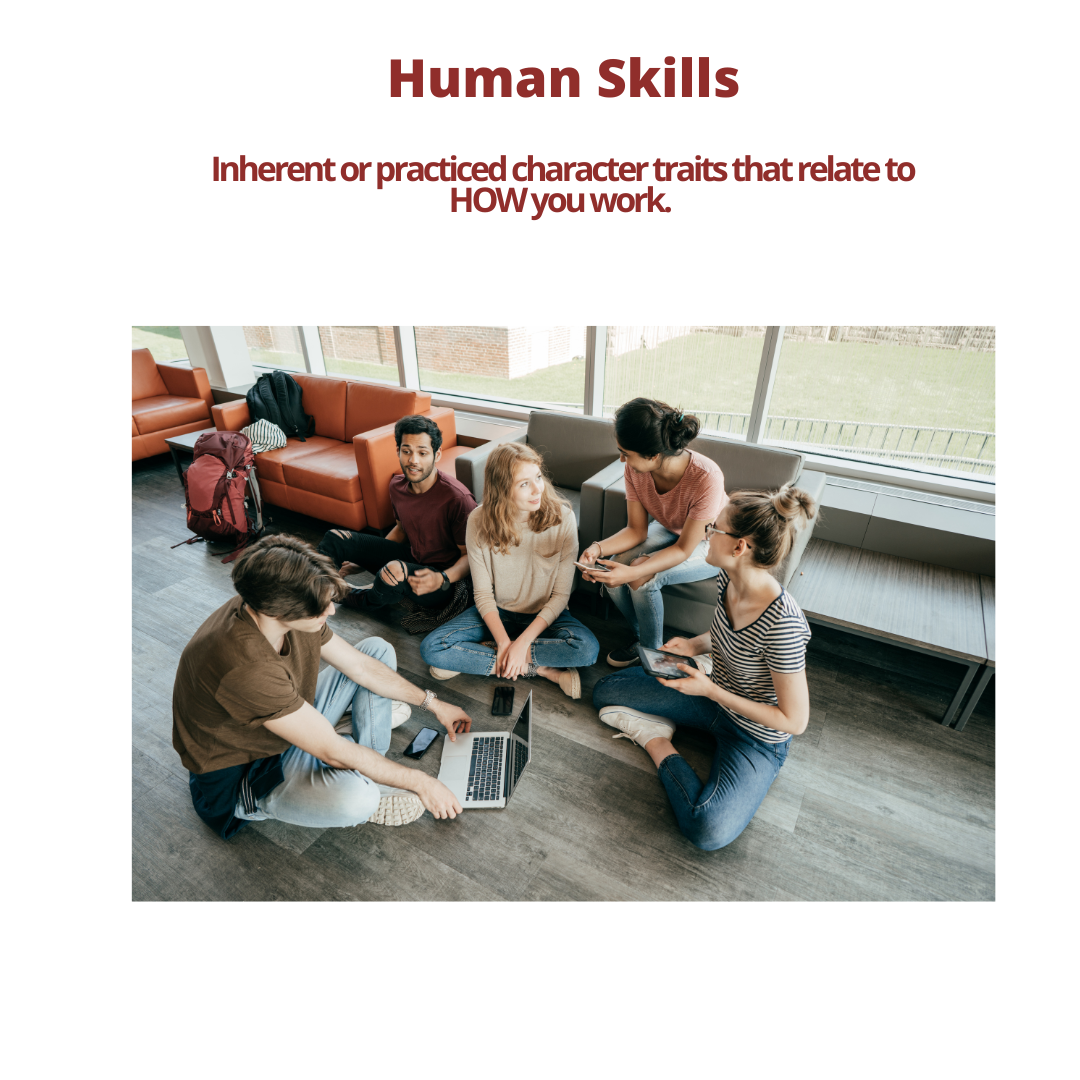
| HARD SKILLS | HUMAN SKILLS |
| Job-specific abilities that are learned through education and training; relates to the work you do. | Inherent and practiced character traits that define HOW you work. |
|
Language fluency Photo/video editing Excel skills Woodworking HTML coding Driving (CDL, forklift) Copywriting Data processing SEO |
Active listening Communication skills Emotional Intelligence Ability to inspire a team Problem-solving Optimism Collaborative Outside-of-the-box thinking Adaptability |
Painting with broad strokes, skills can be defined as an individual’s proficiency in any complex task. Fluency in a second language, Photoshop expertise, and QuickBooks mastery are all examples of business-related skills that can be proven with a certificate, degree, or demonstration.
But some skills are more abstract. Strengths such as active listening, persuasion, strong communication, empathy, and leadership can’t be proven or vetted in such a clear-cut manner. We refer to these as human skills.
Employers are looking for both skill types during the job application and interview process. Together, they are the inventory of what you’re capable of. Hard skills relate to the work you do; human skills relate to how you do the work.
BEHAVIORAL TRAITS
Psychologists and psychometricians (the people who study the measurement of behavior) analyze core or true traits. In layman’s terms, your comfort zones. Why are these important? Because your core traits define your best, most natural self.
Being anything other than yourself is a waste of energy and a huge cause of stress. When you can be your best self, you are more productive and successful.
The goal is to find a job that fits your core traits so you can naturally be good at what you do! Does this mean a job that fits your core traits all day, every day actually exists? No! There are always going to be situations, an individual, or a specific task in any given job that requires you to get uncomfortable. The key is to keep those at a minimum.
We’ve all heard growth comes from getting outside your comfort zones. This is only true if getting uncomfortable directly benefits YOU (not an employer’s bottom line). Then it might be time to stretch, grow, and get uncomfortable. That’s where coaching and development come in.
Once we know our core traits, then we can look for jobs, leaders, managers, teams, and cultures that don’t make it feel like we’re constantly swimming upstream.
The PXT Select Assessment measures your key tendencies and preferences across nine different behavioral traits. You’ll learn, for example, if you like to work within clearly defined rules or if you tend to set your own direction and act independently. Do you work at a steady pace or very quickly? Are you comfortable making quick decisions even when limited information is available, or are you a deliberate decision maker?

The Interviewing Myth
How many times have you been told to “put your best foot forward” in an interview?
How many times have you been told not to show a potential employer that quirky thing you do? Or to say your only weakness is you work too hard or care too much?
This is the biggest interviewing myth. We should not HIDE who we are to get a job.
We should find a job and team that complement our strengths and mitigate our weaknesses!
LEARNING & COMMUNICATION STYLES
Do you process information quickly or do you learn best with repetition and time? Neither is good nor bad, right or wrong. In fact, there can be drawbacks and benefits to both.
We are not talking about intelligence here. Intelligence (I.Q) is about capacity, how big your boat is. How much stuff can we put in your boat?
We are talking about processing speed. How quickly can I fill your boat? Are you a teaspoon person? I’m going to give you A and let you chew on A for a while, then I’ll come back and validate that you’ve got A, and then I’ll give you B, and so on and so forth.
Or are you the firehose person? I’ll give you A and B and you will come up with C, D, and E all on your own … rinse and repeat?
It doesn’t mean you’re smarter or more intelligent, it means you process quicker. Both will eventually get to Z. We know doctors, lawyers, entrepreneurs, and CEOs that are slow processors. They are just as intelligent, it just takes them a little longer to get there.
People assume that faster processing is better because, in our society, bigger and faster is always better. However, what it doesn’t account for is their ability to communicate with those who are slower processors. There are just as many slow processors as there are fast processors in this world. What happens when a fast processor needs to communicate with a slow processor?
It’s like running Hondas and Ferraris on the same race track.
- If we put a Ferrari on a race track with a bunch of Hondas, the Ferrari will think it’s not a race, get bored, and want out.
- If we put a Honda on the track with a bunch of Ferraris, the Honda will have the pedal to the floor and—no matter how hard they try—they will never truly be in the race.
The moral of this story is: It’s not a race. They simply have to run on the same track with tolerance, grace, acceptance, and understanding of their differences and strengths. Ferraris might have more horsepower, speed, and strength … but Hondas are reliable and lower maintenance.
Cultivating self-awareness around your personal processing speeds will help you tackle assignments with greater confidence—and better advocate for your needs in the workplace. Beyond that, you’ll be able to understand the learning styles of those around you, which can enhance communication skills and productivity. Win-win!
Using powerful assessment data, our ProfileXT Select Assessment can help individuals discern how they learn and process information, solve problems, communicate, and interact with others. It can help shed light on specific career paths and if you align with the preferred verbal and numerical capabilities for those role(s).
For example, do you prefer complex instructions or do you prefer more straightforward tasks? We need people for both kinds of work. Can you efficiently make decisions based on complex numerical data or do you prefer a qualitative or creative decision-making process? Again, we need both.
At Hiring Strategies, we offer curated tools to help you unearth your authentic learning and communication styles:
EXPERIENCE
Experience is ultimately what you have learned and what you have done. Sure, you know your former duties and responsibilities, but can you describe your accomplishments and contributions?. Employers want to see your value-adds. What have you achieved in the past and how does that translate into what a company needs? Your experience tells a story of where you’ve been. Are you challenging yourself, growing, etc.?
Getting clear about your experience allows you to market yourself any way you want, both during interviews and on your resume. We’re not talking about embellishment here; we’re talking about crafting the narrative about how your past experience has shaped you AND your career. And remember: your experience doesn’t define you—it’s your past, not necessarily your future.
EMOTIONAL INTELLIGENCE
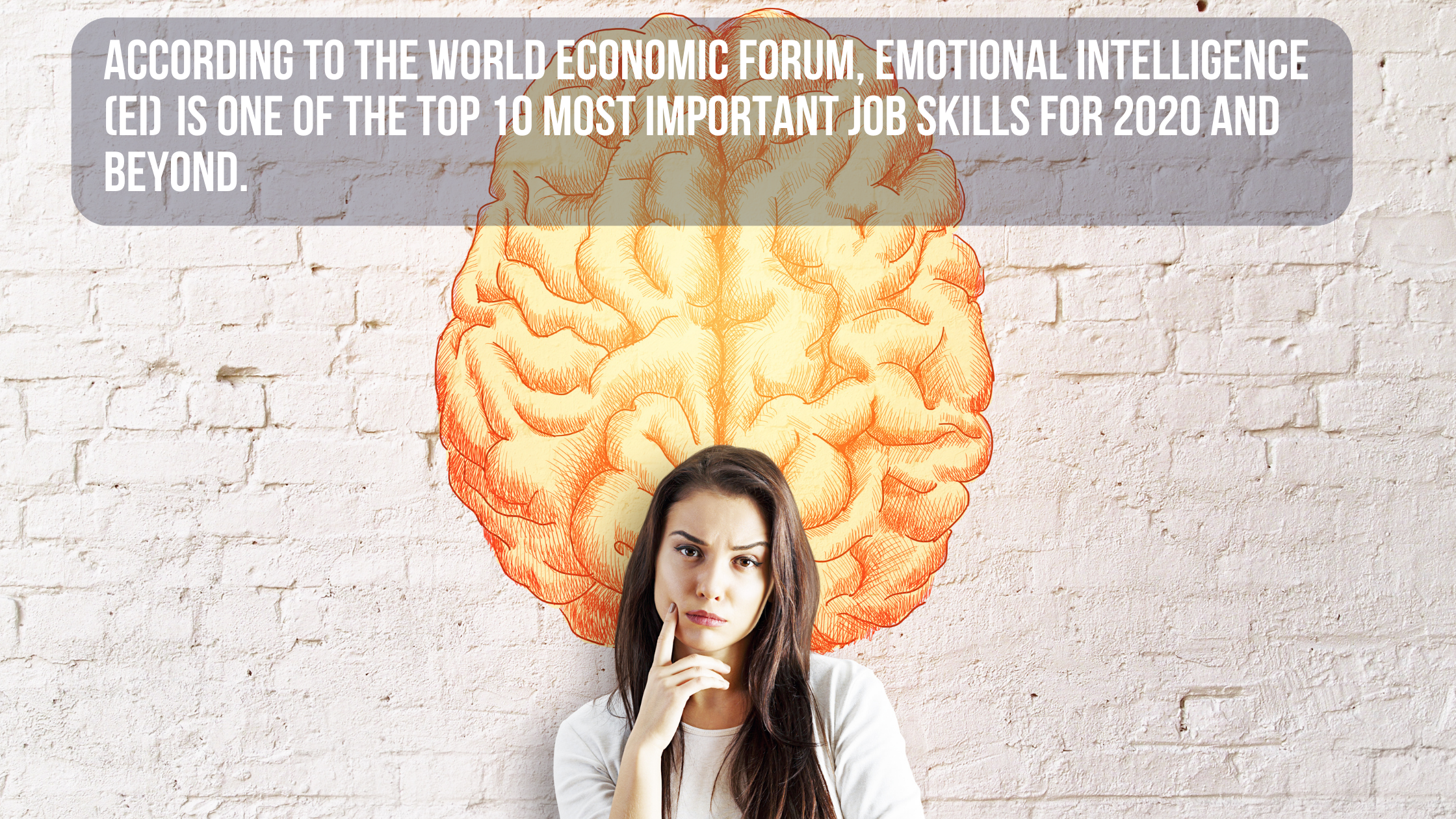
Here are five traits of someone with high EI (kind of like an emotional Einstein, if you will):
They understand the root cause of emotion(s). Self- and social awareness are the cornerstones of high EI. They can decipher their emotions, control knee-jerk reactions, and productively respond to (and empathize with) others.
They never shy away from feedback. The mark of an incredible worker AND leader is humility. They genuinely want to know what isn’t working when soliciting feedback, and they know not to take anything personally. Defensiveness is simply not in their vocabulary.
They know how to self-regulate. From a morning meditation practice to body-centered therapies, they have tried-and-true tools that allow them to monitor their triggers and responses.
They leverage their strengths and own their weaknesses. Every day, in everything they do, they move with authenticity. No matter how high they are on the company’s ladder, they understand they are just as perfectly imperfect (i.e., human) as everyone else.
They embrace change. Another key trait of high EI is adaptability. Any shift in the workplace can be scary, uncomfortable, or just plain irritating. Someone with high EI will identify the source of their (or their team’s) resistance, weigh the emotional responses, and find every solution and positive spin possible.
Comprised of six emotionally intelligent competencies, our Genos Emotional Intelligence Selection Report is the best measure of how you demonstrate emotional intelligence in the workplace. It’s based on measurable, observable abilities and experiences to capture the specific workplace skills and behaviors that manifest from emotional intelligence abilities.
PURPOSE & WHY
Do you move through life focusing on what you do, not why you do it? Are you always wondering why—even after crossing off all of your to-dos and accomplishing large goals—you still feel like you’re two steps behind? This is an affliction that affects everyone from entrepreneurs to entry-level employees and executives.
If you answered yes to the above questions, it’s time to hit pause and figure out your WHY and unearth your greater purpose.
We know what you’re thinking: easier said than done!
Simon Sinek, author of Start With Why and Find Your Why, says a cardinal mistake that people make is equating their professions with their sense of self. Our jobs are really only a part of the equation, a single puzzle piece to how our overall purpose—our WHY—is expressed.
The process of finding your why is different for everyone, but Simon’s Golden Circle formula is a great place to start. The first level, the outer circle, is all about what we do, while the middle circle is how we do it. Then there, at the center, is why we do it. When these three circles are in alignment, work doesn’t feel, well … like work.
Steve has been at his job for 23 years and was still excited by his work. How is this possible? Well, WHAT Steve did was produce steel; HOW he did it was by manufacturing a pure product that is easier to recycle and creates less pollution; and WHY he does it is to keep the environment clean for future generations.
Finding your why is step 1; only when you possess that knowledge can you align your circles. That’s step 2. Wherever you are on your journey, we also have a network of vetted coaches who are here to help you navigate it.

INSIGHTS FROM KIM’S BOOKSHELF
“Just how ridiculous is it to advise young people to go out and do what they love? Within the last decade or so, scientists who study interests have arrived at a definitive answer.
First, research shows that people are enormously more satisfied with their jobs when they do something that fits their personal interests. This is the conclusion of a meta-analysis that aggregated data from almost a hundred different studies that collectively included working adults in just about every conceivable profession. For instance, people who enjoy thinking about abstract ideas are not happy managing the minutiae of logistically complicated projects; they’d rather be solving math problems. And people who really enjoy interacting with people are not happy when their job is to work alone at a computer all day; they’re much better off in jobs like sales or teaching. What’s more, people whose jobs match their personal interests are, in general, happier with their lives as a whole.
Second, people perform better at work when what they do interests them … Employees whose intrinsic personal interests fit with their occupations do their jobs better, are more helpful to their coworkers, and stay at their jobs longer. College students whose personal interests align with their major earn higher grades and are less likely to drop out.
It’s certainly true that you can’t get a job just doing anything you enjoy. It’s tough to make a living playing Minecraft, no matter how good you get at it. And there are a lot of people in the world whose circumstances preclude the luxury of choosing among a broad array of occupational options. Like it or not, there are very real constraints in the choices we can make about how we earn a living.
Nevertheless; as William James foretold a century ago, these new scientific findings affirm commencement speech wisdom: the “casting vote” for how well we can expect to do in any endeavor is “desire and passion, the strength of [our] interest….”
– Grit, Angela Duckworth, page 97-98
“Organizational Behavior research suggests that people who pursue work goals for intrinsic reasons are more satisfied with their jobs, feel they fit into their organizations better, and may perform better. Across cultures, if individuals pursue goals because of intrinsic interest they are more likely to attain goals, are happier when they do so, and are happy even when they are unable to attain them.”
– Organizational Behavior, Stephen P Robbins & Timothy A Judge, page 223